


[toggle title=”Disclaimer”]This is an opinion piece, it is my opinion; if you disagree I would love to hear it. But in the infamous words of The Dude “That’s like, your opinion man.” [/toggle]
It is no secret that I did not enjoy, and even disliked, Batman Arkham City. It just seemed to be lacking some spark that the original, Arkham Asylum, had. I could not understand why everyone else lauded over Arkham City and, try as I might, I just could not get into it. I was originally supposed to review the game but as I got further in I started hating the game whereas almost all of the reviews out at the time praised it for its excellence. I assumed I just was missing something and, because I had bought the copy with my own money, opted not to do a review for the game. If I just did not “get it” then a review from me would be of no use to anyone.
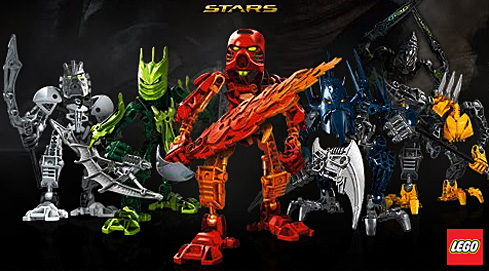
Over the next couple months I occasionally thought about Arkham City and why I disliked it, when finally the synapses connected and one word prevailed, “Bionicle.” When I was a younger lad, and an older lad, I collected and played with Bionicle toys regularly. Over the years my collection grew and grew as hundreds of my parents dollars were begged out of them for the newest set. But as my collection grew I found it harder and harder to create new and inspired creatures. I had all the coolest parts, so I should just be able to combine all the coolest stuff and have the coolest creature right? Wrong.
I discovered that if I took a handful or two out of my Chest o’ Bionico and limited myself to those random parts, some cool some not, that I enjoyed my creations much more. Limiting myself would force me to think outside of the box and make compromises that ultimately made the resulting creation more unique. Less always created more. More original, more creative, more bizarre, and ultimately more spectacular creations spawned from my self inflicted limitations. I tell you all this to ask you a question.
Are Batman and Bionicle really so different?
Awwww yeah!
Let me explain what I mean by bringing up the issues I had with Arkham City; the main problem being that I loved Arkham Asylum so very much. It had a unique combat system, the story was engaging, and it played like a 3D Metriod game. Arkham City all but abandoned those three things for the concept of “more.” The Riddler trophies are an easy example, but it goes much deeper than that. Allow me to break it down.
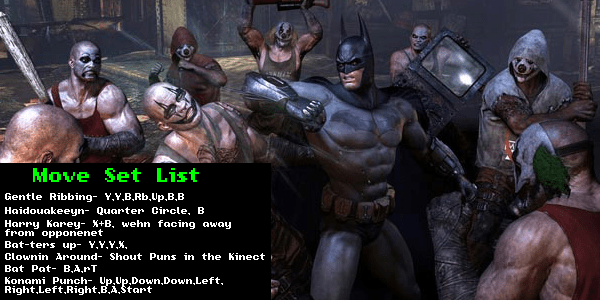
Combat: In Arkham Asylum the combat was fresh; there had never been anything quite like it, at least with that level of polish. But rather than innovate even further in the next game, more things were simply “bolted” on. By the end of the game the combat system had become so jam packed full of stuff that nearly every button had a double and single tap use. Rather than be encouraged to try out these nifty tools and combos I was dissuaded by the shear amount and only used the new combinations if I was forced to.
A prime example of this would be the enemies in body armor. Punching them head on would remove your combo and leave you vulnerable to attack, so you had to daze them and then spend five seconds punching them in the gut. This gut punching also left you open to attack, meaning that half the time I battled them I would have to dart away to avoid being punched and they would remain in the scuffle. So often times I would just build up my combo and use a Takedown move on them to avoid ever having to deal with them. They interrupted the flow of any given fight for no other reason than to add an unneeded level of artificial challenge. That is not fun. They were not larger than a normal enemy, they were typically not armed, they were just red; like a glowing beacon of “Don’t hit me.”
I want to hit things. In Arkham Asylum I could hit things; I could continue to hit them over and over without ever interrupting the flow of the battle. The only enemy that made me even slow down my flow a little was a Titan, and that made sense. And even then, I could still punch him without losing my combo.
I could go on and on about how the combat system was nearly destroyed by the bolted on additions, but the Armored enemies and the staggering amount of useless items are the most egregious offenses.
Story: Say what you will about the main campaign; I personally thought it was garbage, resting too heavily on the “twists.” And what little story there was, beyond that, only served as a way to drag you along to the next Villain Cameo. There in lies the biggest problem with Arkham City’s story, or lack there of, there is too much, too little.
Arkham Asylum had villains, but you could count the actual encounters on one hand. Every boss that was prevalent added uniquely to the main story arc in their own way. In Arkham City though, Villains have cameos and then chump out for the rest of the game. How long did you see Harvey Dent, like five minutes. The entirety of Bane’s side quest, and the ultimate conclusion to the teaser sequence from Arkham Asylum, was boiled down to a fetch quest. Nearly every side quest followed the same pattern, find a bad guy, beat us some dudes or destroy some thing, lock bad guy away. Because of that, almost every single side quest felt superfluous, with the exception of the Mad Hatter. He followed the same formula, but you fought on a clock, which was a needed change of scenery.
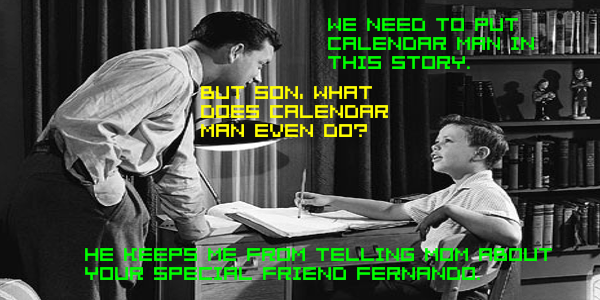
I can not help but feel like these side missions all took more and more away from the main campaign. Instead of bolstering and boosting the story to heights above The Dark Knight Rises, not a hard feat, it felt more like a story written by a child. To be fair the child was ten and was writing the story for a school project so his dad helped to make sure there was at least some sort of narrative thread.
“But dad I want Mr. Freeze in the game!”
“OK son, but why is he there?”
“He freezes stuff dad, he’s Mr Freeze!”
“But-”
“DAD, MR. FREEZE!”
“Fine! We will put Mr. Freeze in.”
“Dad, I want Solomon Grundy!”
Yeah, I know that example featured two baddies from the main campaign but it is not exempt from the cavalcade of villain pop-ins. In fact, the main campaign has probably the most offense transgressions. Characters pop in with just the tiniest bit of reasoning and leave with little to no development. Even the Joker was a one-dimensional character whose only discernible motive was to give the story some sense of urgency. Oddly enough The Penguin had the most perceivable growth, even though it was done through museum voice boxes. All it truly amounted to though was “Boy I sure do hate both Batman and Bruce Wayne.”
Gameplay/ Exploration: Speaking of The Penguin, remember that time you had to backtrack and destroy those signal jammers? Yeah? Now, remember backtracking in Arkham Asylum to hunt down the three Murlocks? No, you do not, because that did not happen in any way, shape, or form. In Arkham Asylum you were never barred entrance to a building because you did not complete a fetch quest. When you could not get into a building it was because you did not have the appropriate item, but you will have the item eventually, so come back when you do.
This MetroidVania style of exploration made Arkham Asylum seem immense, even in comparison to Arkham City. You could show me on a blueprint how City was X times larger than Asylum and I will show you useless empty space used to hide even more useless Riddler Trophies. Instead of instilling a sense of awe at the massive scope of the city it felt more like “Wow, look at this huge place I’m in, separating all the small places I actually want to be in.” So any backtracking I had to do felt like artificial gameplay extension and not natural progression.
There were notable exceptions to that obviously, the Bat Raygun and Bat Ice grenade. Both of these items expanded Batman’s abilities and allowed him to reach new areas. But unlike the original game, in which the new items offered you different areas to explore, the Raygun and Ice Grenades just felt like glorified doorknobs. Mostly unlocking small spaces containing another trophy. Ya-hoo. The reason backtracking in Arkham Asylum was acceptable was because you were almost guaranteed to see something new. In Arkham City, I am going to grapnel the same gargoyle, pass the same door I opened six hours ago, and beat up the same beatniks I destroyed ten bazillion times. Oh, but this city sure is big and cool and big.

Batman Arkham City really was a matter of quality over quantity for me. Throwing more villains at a game never made it good. Just look at all the Batman games that came out before Asylum to see that. Concurrently, combat is not better when you just add “more.” This is especially true when the “more” you add gets in the way of the original flow. When I am jamming out with your combo system I do not want to have it interrupted because I hit the guy in red instead of the guy in black right beside him. Nor do I want to stop what I am doing to deal with some punk who is apparently wearing marshmallows. A boot to the chest will still knock you down, even if you are wearing body armor, you do not just absorb it.
But even with those two staying lackluster, I could have enjoyed the game, at least for its adventure aspect. But instead of slowly becoming uniquely familiar with every inch of the area by pure attrition, I became familiar with the quickest route from one mission centric building to another. My Bat Feet only touched the ground when I made a mistake with my grapnel hook. Because, instead of having a smaller area packed with little mysteries and wonder, I was given a larger area with very little interesting things scantly placed throughout. And by “interesting things” I do not mean Riddler Trophies.
Arkham City stands as a testament to how, too much of a good thing is a bad thing. Instead of working fluently together, the parts were disjointed and drew attention from one another. There is a reason people enjoy MetroidVania style games, because everything has a purpose. The bombs, rockets, and morphball all have their use; be they for combat, story, or traversal. Can you say the same thing for Ivy, the Reverse Batarang, or the VR challenges? How could the main story or gameplay have been improved upon if these just did not exist? Did no one think “I’m pretty sure we have all the parts we need, now let’s make something with them.”
So, in that, are Batman and Bionicle really so different? Are games themselves really so different than any other form of creation or art? When forced to work within some sort of confine, ingenuity and wonder are born. Great things can come from unlimited potential, but so often art comes from the struggle of creating it. Neither paintings, movies, literature, or music can be improved upon by simply adding “more,” so why would a game be?
[toggle title=”Symbolism “]
There is a lot of meat to Arkham City to be sure, but just not from the same animal. “Let’s stuff bacon wrapped hotdogs inside bratwurst and cook it inside hamburger and then put it in a chicken and put that in a turkey and then dice it up and fry it in lard.” No, let’s not.
[/toggle]


I just wanted to come here and say a few things.
1. I just finished AA for the first time and I loved the setting and story and puzzles, but I vehemently hated the combat.
2. I do not appreciate being killed while Batman is in an animation move. This happened to me throughout the game.
3. I did not find counter button to work very well and could never figure out how to get more than x10 combo.
4. The game has an amazing setting and style and awesome boss fights. Just really loathed the combat.
5. I loved Mad Max, Shadow of mordor, Borderlands, and COD is the best multiplayer game ever made.
6. I don’t have much desire to play AC but I will try it and see if the combat is any better than the abysmal AA. If I die during a stupid animation I’m returning the game though.
I absolutely agree with you about all the new gadgets and combat moves.
I felt Asylum’s combat to be a bit *too* simple, but City was on the other side of the fence.
If I have a trillion ways to stun enemies in combat, there is no way I’ll learn them, I’ll just quickthrow a batarang at them, thank you very much.
And I generally love open world games with lots of side missions, but it’s easy to fall into the trap City fell into, and that’s when they make the story feel less focused and disjointed.
I’m still not even half way into City, but I’m already sure I won’t enjoy it more than Asylum.
Not a bad game, just wanted to do too much.
I just recently played through Arkham City and was actually thinking to myself that it felt really similar to Arkham Asylum, and actually seemed to lack a good deal of the first game’s charm, and therefore didn’t quite understand why most people praised Arkham City. I didn’t think of all the things that the author of this article listed, but now that he’s mentioned them, I happen to agree with most of it. Still, I wouldn’t go so far as to call Arkham City a terrible or lackluster game…it’s still fun and entertaining, but yeah I would agree that Arkham Asylum did it better.
This article was very interesting to me because I as well sat around wondering why I was having a hard time getting into Arkham City when I was absolutely floored by Arkham Asylum and played it through quickly to the end. Many of the points you are making seem to hit a chord with me as some of the reasons I think I as well have had issues getting into Arkham City. The game gets boring for me way too fast. (I happen to be a ridiculously huge fan of Metroid and Castlevania games..and totally get what you mean….)
I’m not insecure, I’m way secure, and I’m secure that you’re piece is absolute bullshit. I played that game of my own free will when it came out, I even stayed up on a school night just to finish the story and find out what happened. You have a right to free speech, but I’m just glad only these few people believe you. You sir are a troll posing as a nice guy.
Now with arkham knight coming out, I’m not sure you’ll like that either, though it is amazing. Your only problem with the combat seems to be armored enemies. How are they any worse than the stun batons? Both stop your combo. Why is having to get 5 hits for a take down hard? You had to use beatdown on titans and that was after a dodge, that’s so much harder to keep your combo while doing. The armored enemies were alot more fun to fight than the titans. If all you do is jump from enemy to enemy, occasionally tapping counter, without having to choose your targets, that’s too easy.
You may have almost platinumed but AA was the first game i actually did. But I think what you’re missing is the idea of being batman. Swinging from ledge to ledge hiding in the shadows, listening to the thugs discuss they thought they saw something in the dark. Sneaking up on them to stop a mugging, just dropping in from the sky or jumping through a grate. AA didn’t give you the same sense of that. It feels like gotham, and it feels like your city.
Son of a ***** you just nailed everything perfectly from me finally jumping into city from asylum after getting knight free. Hopefully the third entry (origins isn’t talkworthy) will fix the problems from the second game. Three years late but **** it. Still worth saying this article hits everything perfectly and shows bigger isn’t always better.
I don’t think its terrible, but having just beaten it recently, I really don’t understand why everyone was rating it so high. The artificial additions to the combat really made it frustrating. By the end of the story the game is asking you do specific counters to 5+ different enemies all at once. You got Body armors guys, Shield Guys, Knife Guys, Gun Guys, Stun Rod guys. Having to counter all of them at once in groups of 10+ is damn near impossible. Also having just beaten it and it having been years since I played Asylum, I realized City does a really terrible job of teaching you to play if you didn’t start playing it the moment the credits finished in Asylum. I thought the Catwoman levels were way more fun, because you only had a few tools to work with. Also I thought the Joker’s death was totally underwhelming. For a second at the end I thought Batman was going to reveal himself to the Joker and they might actually have a conversation with some memorable dialogue as Joker breathed his last. But no, Joker just dies, and then you realize he was barely in this game.
[…] game. Barry Villatoro (Owner LevelSave.com) wanted me to write about why it was bad in a way that mirrored this article, but I just don’t have the passion for it. Batman Arkham City was a bad game, Second Son is […]
[…] about something because I would take the time necessary to cook the thought. For example, the Batman Arkham City is a Terrible Game article took me nearly a year to write because it stewed in the back of my mind for that long. In […]
heres what i thought of your review
[…] we begin let us get my personal bias out of the way. I loved Batman: Arkham Asylum, loathed Arkham City, and did not even bother to play Batman: Arkham Origins. With that in mind, Batman: Arkham Knight […]
[…] we begin let us get my personal bias out of the way. I loved Batman: Arkham Asylum, loathed Arkham City, and did not even bother to play Batman: Arkham Origins. With that in mind, Batman: Arkham Knight […]
Agree with everything you wrote. I played this game for 5 hours, I was killed by steam a few times and decided this game was stupid.
Ha! Man, that steam really is a pain. It’s not like he could just use his cape to block it for like a second or anything.
Game is ruined by horrible camera. “Free flow” really isnt when you cant pick your targets.
While that was just a minor issue for me, it did contribute to my dissatisfaction. What an unfortunate thing to have go wrong.
About the furnace and steam thing maybe they upgraded batman’s suit so it could withstand heat or extreme heat just saying but i really enjoyed hearing your opinion even though i think batman arkham city looks like a great game.
The steam comes before and after the furnace section. If memory serves, the furnace section is one of the first parts of the game.
The only problem I have with this piece is the complaint about the combat. Now, maybe it’s just me because I have a thing for the combat and love high scoring in this game, but it’s worth mentioning that every enemy(except the twins and the titans and the Joker) have any number of ways to defeat them.
The armored thugs you loathe so much can be taken out with a Beatdown finisher, just like you said. They can also be dealt with by using the Takedown Combo finisher, again, as you said. But you can also flip over their heads and hit them with a batarang from behind, and Ground pound/Multi-Ground Takedown. Or you can hit them with a remote electrical charge(REC), which throws them across the room like they’ve been kicked by a mule, and finish them on the ground. Or you can hit them with a freeze grenade to keep them out of your way until you are ready for a Takedown, or strike them while frozen to knock them down and ready them for a Multi-Ground Takedown. Or if they pick up a knife, you can use a Blade Dodge Takedown to drop them like a ton of bricks. As long as you’re aware of who is carrying what and how many armored thugs are in the fight, it is absolutely possible to get the 100+ hit combos you yearn for so desperately.
So that argument is invalid. I agree with the rest of it, though.
I couldn’t pinpoint what I didn’t like about this game, just that I wasnt having any fun, However reading this has made it click for me! Too much of a good thing is definately a bad thing.
[…] funny story, I can not stand Batman Arkham City. I have made my point on it here, and I do not really want to get into it again, but I loved this picture. That aricle made the […]
This is going to be long, so let me just start of by saying that I am 24, a lifelong Batman fan, and I consider AA and AC together to be my favorite game of all time. If I’m accused of bias for this post, well, you’re not wrong.
I’m just gonna get out of the way that I think the story in AC is merely serviceable, not great, not terrible, but it does it’s job. I’m not gonna spend any time trying to defend it or compare it to AA.
My main gripes are your thoughts on the combat and exploration. Let’s start with the combat. You say in the comments that you’ve nearly platinumed AA, and since that entails getting 3 medals in all of the combat challenges I’m going to assume you understand the basics of the combat system… But do you?
You make numerous complaints about the armored guys breaking the flow of combat, but if you know what you’re doing, they really really don’t. As you stated there are 2 main ways of taking down an armored enemy: Cape stun to beatdown, or spending your yellow or orange combo meter to do a takedown move. Neither of these break your combo if you utilize them correctly. It’s not clear but you imply that to counter being open during the beatdown attack you’re dodging away? Don’t do that, simply counter the incoming hit and then you can immediately return to your beatdown in progress, you can do that as many times as you need to until the beatdown takes the armored enemy out. I myself much prefer to use the instant takedown for taking care of armored guys as it’s much faster and there’s no threat of incoming attack during the animation, then, if you haven’t dropped the combo, it only takes 3 critical strikes, which you should ALWAYS be doing, to get your combo meter into the yellow again.
Those 2 methods should be achievable by just about anyone, but if you delve even deeper into all of the extra mechanics there are several other delay tactics you can use on them. You poke a lot of fun at there being too many button combos for all of the different combat moves you can do, but are there really? Let me just say that I’m really not trying to be condescending, and I’m really not one of the people who will say you should be playing COD instead, but honestly, if you are even an average action gamer the amount of stuff Batman can do in combat should not feel like too much to you. I’ll admit that it takes a bit of time to learn it all and how to incorporate it all in the heat of battle, but to me that was what made AC’s combat better than AA’s.
As I said at the top, both AA and AC TOGETHER are my favorite game of all time, and there is plenty that AA does better than AC, but combat is just not one of them. A lot of people complained when AA came out that while the combat looked cool, all you ever needed to do was hod a direction and press square/x to win. Now, you can certainly do that, but you and I know that there’s much more to the combat than that, especially if you’re going for high scores in the challenge rooms. Rocksteady took that to heart though and that’s why there’s all that extra stuff “bolted on” to AC’s combat as you put it. I super disagree with that though. To me, all the additions to the combat in AC give it WAY more depth and strategy that AA’s.
You need to plan the fight as it’s happening, see a red dude, decide whether you want to beat him down, or use meter to do a takedown, or blast him with the REC gun which sends armored enemies flying, often knocking over several other thugs in the process, or maybe hit him with a freeze grenade and let him wait until you’re ready to make your way over to him. Or if he’s right in your face and you don’t want to do any of that, stun, x x+back and square to leap off him and smash another enemy across the room, giving yourself some distance. We haven’t even gotten into the multitude of ways you can deal with different weapon wielding enemies, lieutenants, ninja chicks, or titans. Or how all of the quick gadgets change when you have an orange freeflow combo meter. And let me stress again that if you know what you’re doing, YOU CAN DO ANY AND ALL OF THESE THINGS WITHOUT DROPPING A COMBO OR BREAKING THE FLOW OF BATTLE.
While I respect your right to have your own opinion, I gotta say that I don’t even feel that this is a matter of opinion, I think AC’s combat is just irrefutably better than AA’s. That need to be aware of particular enemy types and their positions compared to you and other enemies and plan your attack accordingly puts it on a whole other level compared to AA. You get out of it only only what you’re willing to put into it though. Like those people who were only willing to mash square/x to get through AA’s combat sections, if someone is not willing to explore all the options that AA or AC’s combat provides, then I really don’t think their opinion of it holds any weight whatsoever.
Whew, on to exploration, and I promise this section will be shorter. You wrote: “In Arkham Asylum you were never barred entrance to a building because you did not complete a fetch quest.
When you could not get into a building it was because you did not have
the appropriate item, but you will have the item eventually, so come
back when you do.” Is it just me or is not having the item you need, so come back when you get it exactly what a fetch quest is? You made a point and then contradicted yourself in the very next sentence.
Like I said earlier, there are a lot of things I think AA does better than AC, the main things being setting, atmosphere, and pacing. The setting and atmosphere are better in AA, but only by a bit IMO. I think both of those things are great in AC as well, but in AA they are helped by the insanely tight pacing. AA might be one of the best paced games in all of gaming, you’re always on the move, using your detective mode to track things, fighting perfectly placed enemy groups, following trails of Joker teeth. You’re absolutely right that the Arkham games are 3d Metroidvanias, but as a fan of that genre, you have to admit that backtracking/fetch questing is an integral part. It’s just the nature of the genre, and though you imply otherwise, AA is NO exception. It’s just paced and written in a brilliant way where it doesn’t feel like fetch questing. Make no mistake though, when you go to the trunk of the Batmobile to grab explosive gel or you call the Batwing in for the line launcher, that was a fetch quest you just completed, now you can backtrack to the places that a barred until you have that item. The brilliant thing is that the exploration items you get are never stated as your goal, they’re always received at the end of an unrelated mission.
Now, for AC, they did sacrifice that tight pacing for a more open world, and that does expose the backtrack-y fetch quest-y nature of the game, but they made up for it in my opinion with an amazing locomotion system and FAR superior Riddler trophies. The new gliding system and and Riddler trophies are very closely linked, if you want them to be. There are a number of trophies that can be gotten much earlier in the game than there meant to if you have a strong grasp of the gliding system, you didn’t really mention your thoughts on the gliding in your article, so I can’t guess at if you’re any good at it or not, but let me just say that it’s just like the combat where you can do the bare minimum to get by, or you can really crack it open and use it to do some awesome shiz.
Beyond that I really enjoyed that almost every Riddler trophy had it own little puzzle attached, whereas in AA it was more about looking around for a trophy or seeing one and wondering if you have the. appropriate tool to get to where it is. I much more enjoyed trying to figure out how to hit 6 question marks separated by fencing withing 3 seconds in AC than realizing I needed to wait till I had the ultra batclaw with the 3 prongs before I could get into the weak walls on ceilings in AA. And like I said I do think the Asylum is a better setting than the City, but only by a bit. You said the City had tons of wasted space, but I disagree. Every nook and cranny of that bitch is jam packed with trophies and things to scan which are references to the wider Batman universe, how is that wasted space?
Damn, I think I’ve honestly rambled on for longer than your original article. I hope you read it all and consider my points, I’m sorry you didn’t have more fun with the game, but maybe this will help you delve a little deeper into it? Probably not, but that’s ok. I’m sorry if any of this came off as disrespectful, I swear that was not my intent.
I agree with the body armoured baddies being totally *expletive deleted* annoying, other than that I enjoyed everything else. As for the enemy cameos, they are just cameos, I never expected all the bad guys to be intertwined with the story, or that they would all heavily feature on the game. I was fine with their limited missions, although a Bane titan style battle would have been awesome.
While the large open city was vastly empty and pointless, gliding round the city was pretty cool, and chaining aerial manoeuvres gave me a similar satisfaction as free flow combat did.
PS. Nice name
I used to give Chris crap after he told me he didn’t like AC. I really enjoy the atmosphere of the Arkham games. But, Chris does make a lot of really good points. Nonetheless I still like game, a lot. Great read though.
I collected Bionicles too (my favorite was my original Tahu Nuva). I quickly got tired of the limited configurations a single set’s pieces could provide so I would often dumped every piece I had into one large pile and spread it so I could see all of my choices. This never failed to result in a Titan of some sort that I felt looked like an actual set. I need choice and freedom. I felt Arkham Aslysum was far too enclosed and claustrophobic and the same combos over and over eventually got tiresome, not to mention that there was never any immediate payoff with the story. I never finished it. Arkham City on the other hand had numerous mini quests that offered immediate pay off, plenty of new ways to fight, plenty of open space, and a solid overarching story that, for once, I couldn’t predict every twist in. The only real element that felt tacked on and pointless was the Catwoman storyline. I would have to reccomend games like Call of Duty to the Author. I’ve heard the new Medal of Honor is perfect of players like him. I also suggest staying away from Minecraft and games with “Elder Scrolls” in the title.
I especially liked the spider-like creatures that shot discs out of their mouths. I can not for the life of me remember their name, but I am sure you know which ones I am taking about. If you have pictures I would love to see some of your creations!
In fact I do enjoy a nice romp through a CoD game. The multiplayer has not grabbed me since CoD4 but the single player is like a dig dumb action movie. It exercises the same grey matter as a movie like The Expendables. If you are attempting to bash on me for enjoying CoD, do not bother. Those games sell a bajillion copies for a reason; they are mechanically solid and refined to a razors edge.
The Elder Scrolls series never really caught on with me until Skyrim, which I enjoy heavily. The only reason I do not have hundreds of hours into that is because I have adult responsibilities like a family to take care of and such.
As for Minecraft, and creative games in general, I have spent more hours than I care to know on them. MC in particular was quite an addiction for me on PC and then on iOS. I have also spent WAY too much time in the Little Big Planet series. If you are interested you can find the level I created in LBP2 by searching for the name Snickelsox. There are several more levels that just never made it for the same reasons I have for Skyrim.
I am glad you enjoyed AC as much as you did. To me the story just felt aimless where as AA was a very focused story. That focus and drive made the story feel complete and compelled me to move forward. That drive and the other reasons I mentioned in the article are why I think, when compared to AA, that AC is a terrible game.
Not sure I agree with everything in the article, but I found the combat unfulfilling in the demo for the 360. I was never sure why I didn’t like it, but it felt boring after 5 minutes. I think the demo itself had a 60 minute play timer.
I find it interesting how I have played that game and loved every little bit of it. It sounds more like you are just a jaded gamer at this point and are tired of anything that isn’t unique. I can understand that to a point as Call of Duty is a series that I would have EASILY agreed with had you wrote about it but a sequel to a wonderful game has you this upset? No. Your opinions are yours but having read your thoughts about this game (of which I strongly disagree with) I will definitely not be reading your work again. It sounds like you may need a new profession, Mr. Lock.
I am glad that you enjoyed AC; I did not.
Boy, it sure would have been easy to write about how I am tired of military shooters. I am sure everyone would have agreed with me and you would continue to read my work. Yes, agreeing with everyone else is easy.
Jaded is such a curious word to use. I do not expect games to be unique every time, especially with a sequel. I am a huge fan of the Pokemon games and those changes are extremely incremental. What I do expect is for games to be fun, especially when their predecessor is. I simply did not find AC to be enjoyable like you.
If you do not wish to read anymore from me then do so. It saddens me only because part of the purpose of this article, and with several of my articles, was to get people thinking critically about not just AC, but games as a medium. More is not automatically Better and we should remember that before we praise a game so highly.
All of you are rude cunts, batman is in no way boring especially if you do the sidequests such as fighting riddler and stopping zsaz. If you cant enjoy a great game like this you obviously are not true batman fans
I must say I did really love the game I don’t think I put it down from start to finish. But something didn’t feel right nearly the whole time, and I think after reading your article It might have been the Villians / story. Could not be bothered with the Raz-Al-Gul nonsense and the Villians I really wanted to see more of were the first to go ( Twoface and Penguin ) Thanks for helping me change my perspective and realise what was missing for me.
You are welcome. I am glad you enjoyed the article.
I enjoyed it, but i certainly see your points about it, Its nice to see someone be honest and share a different opinion, I hated the armored enemies…
Thanks so much!
I 100% agree with your view of this game. I kept on thinking that I was the only person who felt this way!
My two biggest problems were: 1. There was far too much going on. It was a bombardment of information and distractions from any kind of point. As you said, the storyline was also blah and for me, the character of Batman is supposed to go along with a good story,
2. It was tooooo slow. I played this game immediately after Infamous 2 and that was a mistake. Cole moves around the city with such skill and agility compared to Batman, who seemed to move like a tank to me. I just couldn’t get my mind to slow down enough to match the game.
I wanted to trade in the game after the first week of owning it, but I kept stopping myself and thinking there was something wrong with me. I enjoyed Arkham Asylum so much, after all.
Well, I finally got rid of it this very week. I just wasn’t playing it. I figured I’d warm up to it but it never happened.
Good job articulating what I’m sure many others feel about this game.
The comparisons between Batman AC and Infamous 2 are very easy to make. I enjoyed Infamous 2 quite a lot even though it had its own issues.
Some would argue about which game is better, you know my opinions, but Infamous did one thing categorically better than AC and that is environments. Every section of New Marias felt very unique.
Had exactly the same experience as you. I bought the gamer recently for cheap, I thought that I was missing something.I thought, why do I find this game so boring?
Obviously you’re forgetting batman is supposed to be stealthy not run up in armed thugs faces and get shot and die. Batman is not invincible and gets hurt so quite obviously he has to be stealthy and take them out one by one, it is also fun to watch the thugs get scared and nervous. Try to remember that smart one. Arkham city was a great game I play it a lot has great battle techniques, interesting story line, and awesome boss battles and fight scenes. And too bad no one cares when you got rid of it which shouldnt have been hard just toss it, so dont say finally like you couldnt have just thrown it out. Thanks for listening and please get your facts straight before you name retarded problems that dont make sense and no one complains about.
http://bit.ly/TjuGN4
I played Arkham Asylum in 2 or 3 days, read an article like this then, slightly afraid of being let down, played Arkham City in about a week (maybe 2…still working on side missions though) and I found I still loved it, though I can see where some people had problems, but they just did no bother me nearly as they did other people, I am sorry if you guys did not like the game, esp. because it looks like Arkham Knight is going into more of what City did….
Woah! Lots of discussion on this one! First off, excellently written article. I disagree with it being a terrible game, only because it still played quite well, even if the environment of Arkham City just didn’t quite feel like it was the best direction for the series to go. Maybe being a Batman fan colored my experience with a shade of rose. I did feel like the 300 Riddler trophies totally killed my desire to find that stuff, unlike AA where I hunted down every single one of those things. I do think that hype surrounding AC didn’t help,but considering how great AA was, it couldn’t have been avoided. I am glad to see a contrasting view on a game I enjoyed and hope to see more in the future!
I agree with you on all these point, the game wasent as good ad the first.
did not read this crap, great game !
Arkham City was good, but I didn’t find it all to impressive myself. Think it sort of the same thing I felt with Bioshock 2, kind of lost the spark for me.
I could respect this article if it didn’t use such hyperbole. AC is in no way a terrible game. It may not be as good as AA and does have several flaws but the game is still really good.
Calling it terrible just makes your arguments sound petty, tho I suppose you just wanted hits from the title than an actual critical discussion of the game.
Wow, that’s cynical. Two things.
1- While N4G may not have had much discussion besides “That guy is a moron” LevelSave has had a pretty sizable amount of discussion.
2- After reading the article can you come up with a better title that encapsulated my opinion while simultaneously not sounding pretentious? The title is the antithesis of my opinion on AC, straight to the point. No fuss, no muss.
“Why I didn’t like Arkham City” would have worked fine.
Not really an attention arresting title is it though? Nor does it accurately describe the article. It was not just a matter of “Why I Didn’t Like AC.” It was more of a look into the concept of how More =/= Better.
looks like slow news day, couldn’t find anything, but pointing a finger to a good game, “Journalist”!!
Well you got some hits on your tiny site, congrats
Villians popped in for no reason? Uh, Arkham City was a PRISON! Why WOULDN’T villians be there?
AA was also a prison. But villains there had purpose and drive.
Actually, Chris, Arkham Asylum was an Asylum, not a prison.
Actually, I think it was more of a prison than an asylum. It even has a warden.
So I’m not the only one who felt this way? I really like Arkham Asylum but Arkham City bored me. I never could get into it.
An interesting and rare opinion about AC.
So here’s my take, lets start with what I agree with you about.
1: The open world
I agree completely, but this is a fundamental problem with ALL open world games.
Having large spaces with zero use and sacrificing narrative for a large environment.
2: Villains/Story
I partially agree, the main villains did not flow well compared to AA, and some of the cameos felt forced. To be honest the comics, movies, or even AA were never masterpieces of literature, so maybe story wise, you were/are harboring unrealistic expectations.
3: Combat
Disagree completely. The unlock system allows you to counter most everything late game. It’s a difficult system to master(as everything in gaming should be), but not overly complicated. Isn’t that the sign of a near perfect combat system difficult to master but easy to pick up?
I don’t think it is anywhere near a terrible game, but it isn’t a 10/10.
iM SORRRY BUT BATMAN HAD ONE OF THE BEST VIDEO GAMES OF ALL TIME
Ima let you finish, but that game was called Batman Arkham Asylum.
This is really the dumbest thing ever written.
Really? The dumbest? There has never been a thing in this world that was dumber? How about this “Burtmern is potato!” Was that dumber?
Nope! That would have been at least entertaining.
Burtmen the Potato- By Chris
Burtmen was a sad spud. He had always spent his life living in dirt. Some of his hipster friends referred to him as “underground.” But Burtmen was no hipster, he was a hero.
For at night Burtmen would become Burtmen the Potato and would trounce the Molepeople of the tunnels. No matter how hard they tried they could never defeat Burtmen the Potato because despite their numbers, Burtmen the Potato had one thing they did not- eyes.
And so the quarrel went on for generations. The Molemen would try to defeat Burtmen the Potato and he would use his puntacular power of sight to fight them off. Until one day Burtmen the Potato was eaten by a goat. All of the potatoes were eaten. Even the hipster ones. Then the Molemen had flannel jackets.
The End?
Chris, you just won the internet.
While I haven’t played either AA or AC, I must say I love the fact that you decided to write this. My reason for saying this is that while there are several people bashing you for your opinions, they are probably the same people that will bash a game like CoD and ridicule the people that play it. If a game like AC is great just because THEY like it, wouldn’t that make Call of Duty the greatest game ever, seeing as it’s the highest selling video game ever? Everyone has different tastes in video games, just like movies and TV. Calling somebody “wrong” just because you don’t agree with them just shows how small minded these people are.
I just want to get people thinking critically. Thanks!
For me I don’t look at sales I look at metascores (critics only) and because they’re averages they’re usually spot on from an objective point of view, but ur personal interest may alter it a bit. For example arkham city sits on 95 I think and i think it’s fair to say despite Chriss disappointment it’s suffice to say rocksteady created an experience with arkham city that cannot be mimicked by any other franchise so his “metascore” may be a bit lower due to perso al frustrations such as the combat. But I am glad that Chris didn’t specifically say its a bad game, he just doesn’t like it which I’m perfectly fine with
Good article Chris, I enjoyed the game a bit, but the you hit a lot of the points I felt while playing. Something that annoyed me to no end was how most of the sideshow villians are beaten by a sneaky-sneaky segment followed by an insta-knockout sneak attack. That’s not satisfying in any regard, especially after scouring the city for clues, phonebooths, and venom containers. Hell, you don’t even “fight” bane, you just get to watch a cutscene of Bat cartwheeling out of the way and throwing a batarang to close the flimsiest security gate I’ve ever seen.
I agree completely. How hard could it have been to have a Bane fight? He works exactly like the Titan giants.
… [Trackback]…
[…] Read More: levelsave.com/batman-arkham-city-is-a-terrible-game/ […]…
Arkham City is an amazing game with its flaws because, I believe, that it was too big; trying to do too much with too little. It’s a classic yes, but its heavy with fat. Too many things only some of them done well, while some of them missed the mark. That was my only problem with the game, that and it messed with the stealth and detective formula of the first game. However, story wise it was amazing for all that it did.
I fully agree with you that it was a bad game, but I didn’t like the predecessor much either. Both are polished titles without major flaws but the combat is extremely simplistic for a brawler, the levels are small and repetitive compared to other open world games and the story really doesn’t engage me on an intellectual level. I found the flight camera controls (or lack of) in AC quite vexing indeed.
Arkham City is the game version of The Avengers. That film has the third highest box office of all time and is loved by fans and critics alike. Yet it’s nowhere near as good as Captain America or Iron Man and the reasons are the same as with the Batman games. Too many brief cameos with flippant quips substituting for actual plot and character development. And the villain was not remotely engaging or motivating which is really key in a super hero film. Captain America on the other hand tells a very compelling story and the characters are relatable and interesting.
The batman games share none of the traits that make the films so entertaining. There are a number of other games that confuse me as to their popularity too that I think are worth putting in this topic. Alan Wake, Bayonetta and Dead Space are just 3 that I think are mediocre in every way but are extremely highly rated and I don’t know why except that their genres have lower expectations.
You had me right up to Dead Space. I kinda love Dead Space.
Seriously, Alan Wake. It was fun at first. After a ways in I felt all I was ever doing was walking through a forest, cutscene, forest, cutscene. Got old quick.
I guess you’re in the minority with your sentiments on this game. Oh well.
Just the knowledge that somebody out there agrees with me makes me ludicrously happy.
Are you kidding me Chris your saying one of the best games on this console generation is terrible dude you call yourself a gamer come on man :D
It’s all a matter of opinion. To you it’s one of the best games on this console generation, his opinion is it’s terrible, mine is that it’s awesome but far from one of the best. Take Skyrim as another as example, a lot of people would say it’s one of the best games this gen, I think it’s one of the worst games ever made. Being a gamer doesn’t mean you love every popular game, that just makes you a sheep.
No Johnny, I think shoks64is right. I should have the exact same opinion as everyone else. I think I’ll just delete this article and start enjoying AC suddenly.
“I think I’ll just delete this article and start enjoying AC suddenly.”
Yeah You should. AC is FAR from terrible. AC makes AA look like a dated game and AA was great. Really shows how good AC really is.
Haha, I enjoyed this guys style of disagreeing.
“Well, that’s like, you’re opinion man”
Is there a reason why Chris Lock should agree with you? One of the thoughts I had when I tried the demo was I wish I was playing Pac Man and I absolutely liked Arkum Asylum.
An interesting take, Mr. Lock. Although I personally disagree and think Arkham City was a great game, I respect your opinion and feel you made valid points. It saddens me that a lot of other people will bash this article and dismiss your opinion simply because they’re too insecure about their own. (though so far so good, it seems) Keep up the great work. :)
Thanks. So glad you enjoyed it.
I beat and nearly platinumed AA. The only beef I have with AC is they didn’t “force” you to use FreeFlow as much (which isn’t a new combat system at all). You could spam buttons a bit more sure your combo went down, but you weren’t as vulnerable.
Just as good as AA overall I believe.
I read it. I respect your opinion, and I can definitely see your points. However by the end of this article if I read this I would get the inference that arkham city is a terrible game cause its not. I personally loved arkham city. It had to change. If the combat was the same and the world wasn’t taken to open world and there were fewer villains itd be exactly like arkham asylum all over again. Why the hell would I want that? They are very distinct and close in terms of quality and its a matter of taste. But to attack the game for everything that made it great in te first place is not the way to critique a game, because all of those things you mentioned are not bad things, you just expected something that you didn’t get. Like the mass effect ending fanboys
It’s not really a matter of expecting something different. It was more finding the additions to be unenjoyable when compared to their predecessor.
I am glad you enjoy AC, I just didn’t.
Yeah I understand what u r saying and they’re valid points. In confirming my original comment I do think that the next arkham really has nowhere to go due to the major changes In ac, instead of Going open world again I would like the story to go back you smaller scale, with a less open hub world
Didn’t bother reading. Arkham City is a classic game. It is what ALL comic super hero games should be; Open World with a brilliant story and giving you the feeling that you are truly the superhero you are portraying to be. I truly felt like I was the Dark Knight when I played Arkham City.
I’m happy you feel that way.
I like your username, especially the way “STUPID” is in all capitals. Is that your xbox live gamertag as well? We should play.
Yes, I enjoyed the hell out of the username as well.
I get what you’re saying, and while I did enjoy the game largely for the reasons you disliked it, thought it was a great read. It has actually been a while since the last time I read an opinionated (that is a good thing) article that was so intelligently written. I think though, the point I do agree with is the one about the ice grenade and ray gun being glorified doorknobs, and I did miss the element of backtracking and finding something new. Anyway, I appreciate the article.
I appreciate you!
I enjoyed Arkahm City, but regardless this was damn good article with great points.
I appreciate that.
I agree completely, I thought I was the only one. I started playing & was thinking I have all my gadgets at the start, ok? I loved the combat & predator challenges of Arkham Asylum but even these just felt tacked on. This game had a simple chance of greatness but instead threw it all out the door for more more more. Im playing this right now & am forcing myself to play as catwoman & get all the trophies. Im even struggling to do the challenges which I used to love.
I stopped after one hour into New Game + whereas I have almost platinumed AA.
I am glad I am not the only one as well.
Very astute synopsis of Arkham City. I couldn’t get into the game either and you’ve illustrated the reasons better than I ever could. Excellent opinion piece!
Thanks Dave!